
In this comprehensive case study, we reveal how our optimization strategy transformed the conversion funnel for a leading professional paint supplies e-commerce store. Facing challenges with visual clutter from multiple competing trust badges, our team implemented a focused, data-driven approach that delivered remarkable results. By strategically placing a single TrustGuard badge and removing unnecessary indicators, we achieved a significant 19% conversion rate increase (from 1.51% to 1.80%) and boosted total revenue by 8%. Through rigorous A/B testing with over 26,000 participants, we validated our hypothesis that quality outperforms quantity when it comes to trust signals. This case study breaks down our methodology, the psychology behind trust indicators, and provides actionable insights on how strategic placement matters. Discover the three crucial e-commerce principles we uncovered about user confidence and learn how these findings could revolutionize your own conversion optimization strategy.
Highlights
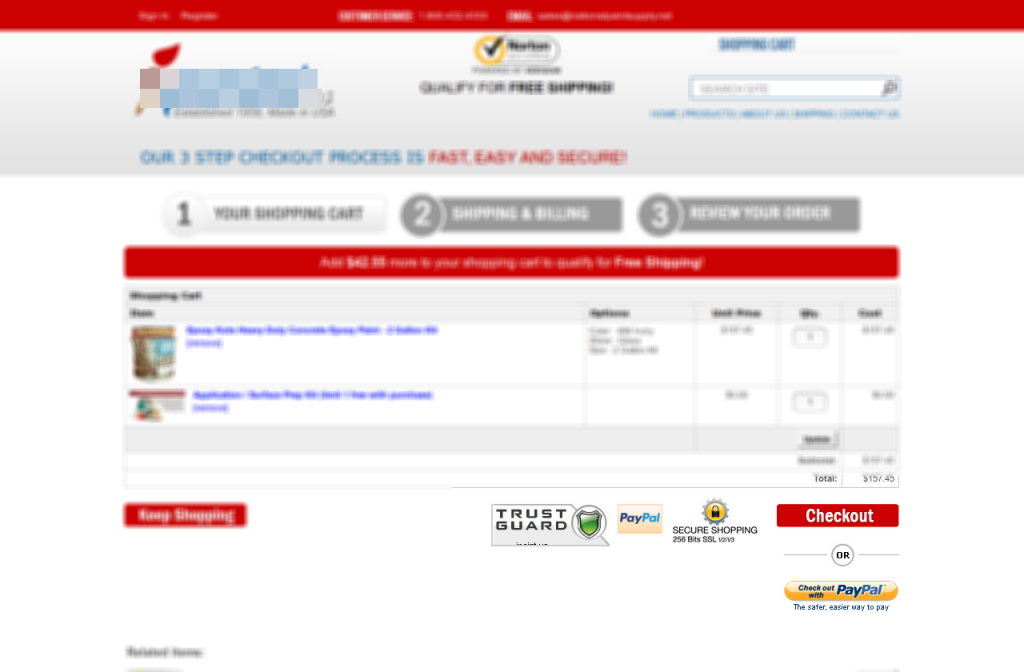
Our conversion rate optimization agency identified that competing trust badges were creating visual complexity across the site. We drove a 19% conversion lift by simplifying trust signals from multiple badges to one strategically placed indicator, boosting revenue by 8%.
Trust-signal cleanup - cutting redundant badges in favor of the right one - regularly produces surprising-magnitude lifts. This 19% boost is why simplification beats addition, and why specialization (over generic “add more badges” playbooks) shows up consistently in a senior cro agency with documented track records.
The Challenge 💡
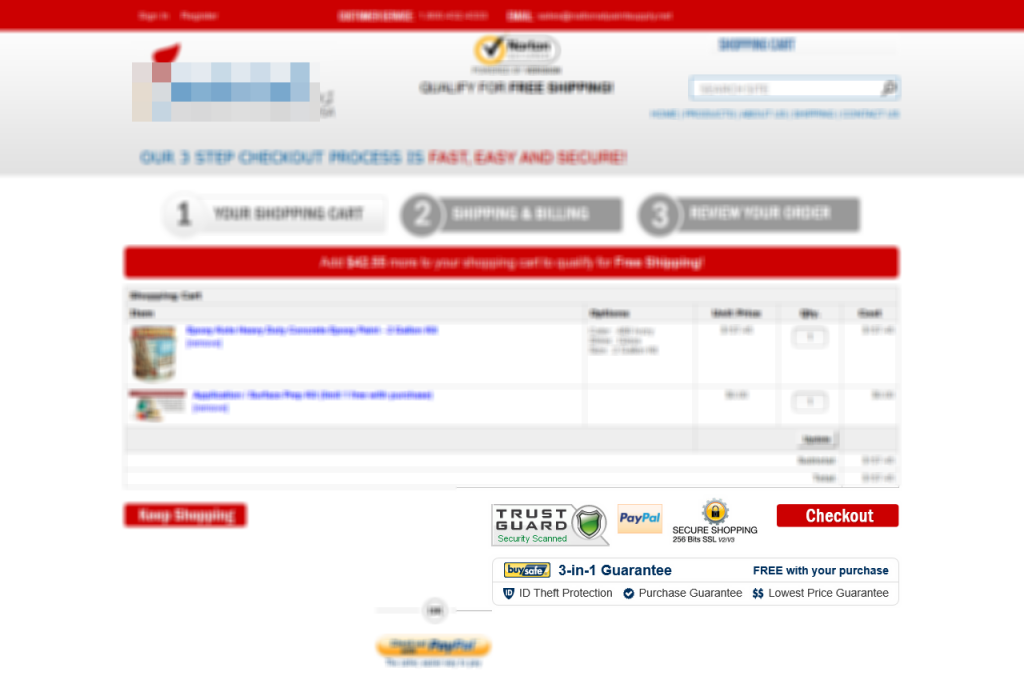
Our client’s website was displaying both TrustGuard and BuySafe badges across multiple pages. While trust signals are crucial for high-value purchases like industrial paint supplies, our analysis suggested this dual-badge approach was creating unnecessary complexity.
Key issues we identified:
- Visual clutter across homepage, cart, and checkout pages was distracting users from the core shopping experience
- Multiple trust badges were sending competing messages that confused visitors
- Trust signal impact was being diluted by overlapping indicators
Our Solution ⚡
Our hypothesis was simple: a single, well-placed trust indicator would outperform multiple badges.
Technical Implementation:
The Results 📈
| Metric | Control | TrustGuard Only | Lift |
|---|---|---|---|
| Users | 7,274 | 6,554 | - |
| Transactions | 110 | 117 | - |
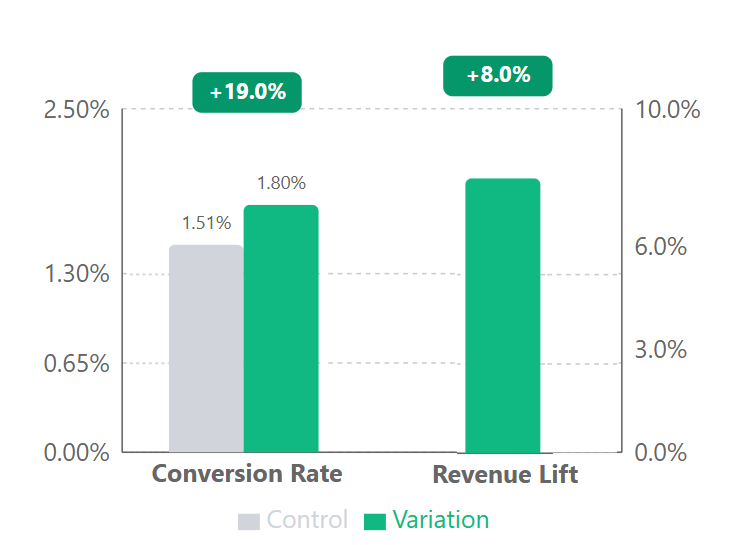
| Conversion Rate | 1.51% | 1.80% | 19.0% |
| Revenue | - | - | 8.0% |
Why It Worked 🎯
The success of this test reveals three crucial insights about trust signals in e-commerce:
Quality Over Quantity
Our results show that a single, well-placed trust indicator outperforms multiple competing badges. The 19% conversion lift demonstrates that users respond better to clear, focused messaging.
Strategic Placement Matters
The conversion boost drove an overall revenue increase of 8%. This suggests our optimized placement helped convert more price-sensitive customers.
User Psychology
The test confirms that reducing complexity builds user confidence more effectively than multiple indicators. When users see too many trust badges, it can trigger skepticism rather than reassurance.
A 1.51% base is ordinary for B2B ecommerce supplies, and a 19% relative lift from removing one redundant badge shows how much the small stuff compounds - our conversion rate statistics put that starting point in context against similar stores.
Let’s Talk 💬
Want to learn how we can apply these insights to boost your e-commerce conversion rates? Let’s discuss how our data-driven approach can help optimize your trust signals and drive more sales.
Appendix: Detailed Test Parameters and Statistical Analysis
Test Parameters
| Parameter | Value |
|---|---|
| Device targeting | Desktop users only |
| Browser targeting | All modern browsers |
| Page scope | Cart page, and checkout page |
| User segments | New users only |
Statistical Analysis
| Metric | Value |
|---|---|
| Confidence level | 91% |
| Total participants | 26,648 |
| Conservative lift estimate | 8% |