
Client Background
Our client is a premier online marketplace that focuses on providing a broad selection of house plans and custom home design services. With offerings that range from small cabin plans to luxury estates, they serve a wide array of customers including first-time home builders, real estate developers, and DIY enthusiasts. With an emphasis on customization and quality, their platform attracts prospective homeowners from across the United States and beyond, seeking unique and personalized home designs.
The Challenge
The client wanted to add A/B testing as a core practice without creating an internal CRO team. They reached out to us to improve their revenue per user and conversion rate for their 50,000+ daily users.
Objectives
The primary objectives of this engagement included improving the overall conversion rate, enhancing user experience across the funnel, and increasing micro-conversions such as new account creations and favoriting actions.
Our Solution
The engagement included a comprehensive Hitlist CRO Audit, which provided a detailed and actionable report of hitlist (do-now) enhancements, high-value test recommendations, and a Google Analytics audit. The audit served as the foundation for identifying quick wins and long-term strategies.
Following the audit, the engagement moved into the Iterate A/B Testing Program, run in 90-day sprints designed for continuous site improvement. Each sprint included 3 monthly testing cycles and offered full-service solutions covering recommendations, design, development, QA, and expert analysis. The program also provided the client with free access to ConversionTeam's proprietary testing platform and ongoing Google Analytics and Tag Manager assistance. This iterative approach allowed for agile implementation and data-driven decision-making, leading to consistent and impactful results.
A/B Testing Program Highlights
Across the engagement, we ran A/B tests in the following areas:
- Site navigation
- Product detail pages
- Checkout flow
- Cart page
- Search box and results pages
- Collection pages
- Social proof elements
The three featured tests below illustrate the range and depth of the program. The program's full results, including all winning and losing tests, are summarized at the end.
Background
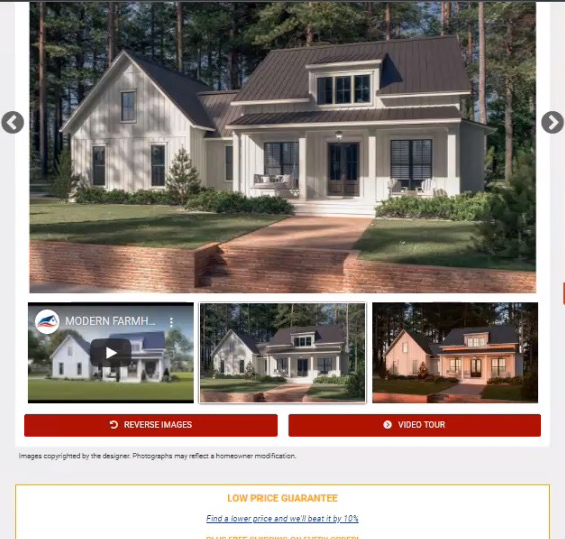
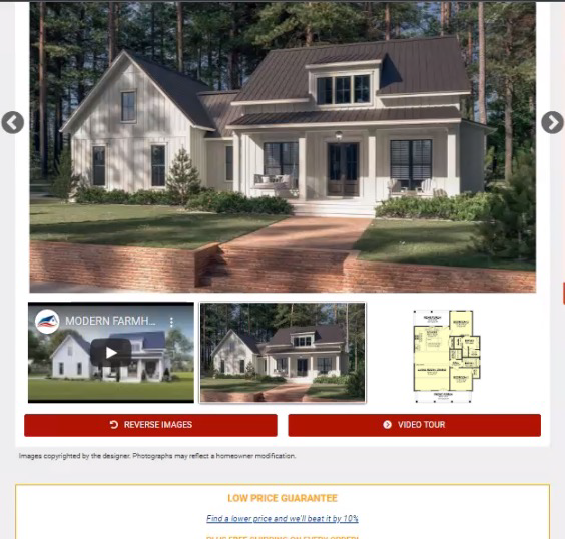
User behavior analytics indicated that floorplan elevations were critical but underemphasized elements on the product detail pages.
Hypothesis
Merging floorplan elevations into the main product thumbnail area would increase user engagement and conversion rates.
Methodology
The test involved integrating floorplan elevations into the main product thumbnail area, replacing one of the existing photo thumbnails with the elevation drawing.
Results
The test was successful, yielding a 25% increase in transaction conversion rate and an 18% increase in revenue per user at a 99% confidence level. The test was particularly strong for returning users, up 28% for that segment.
Background
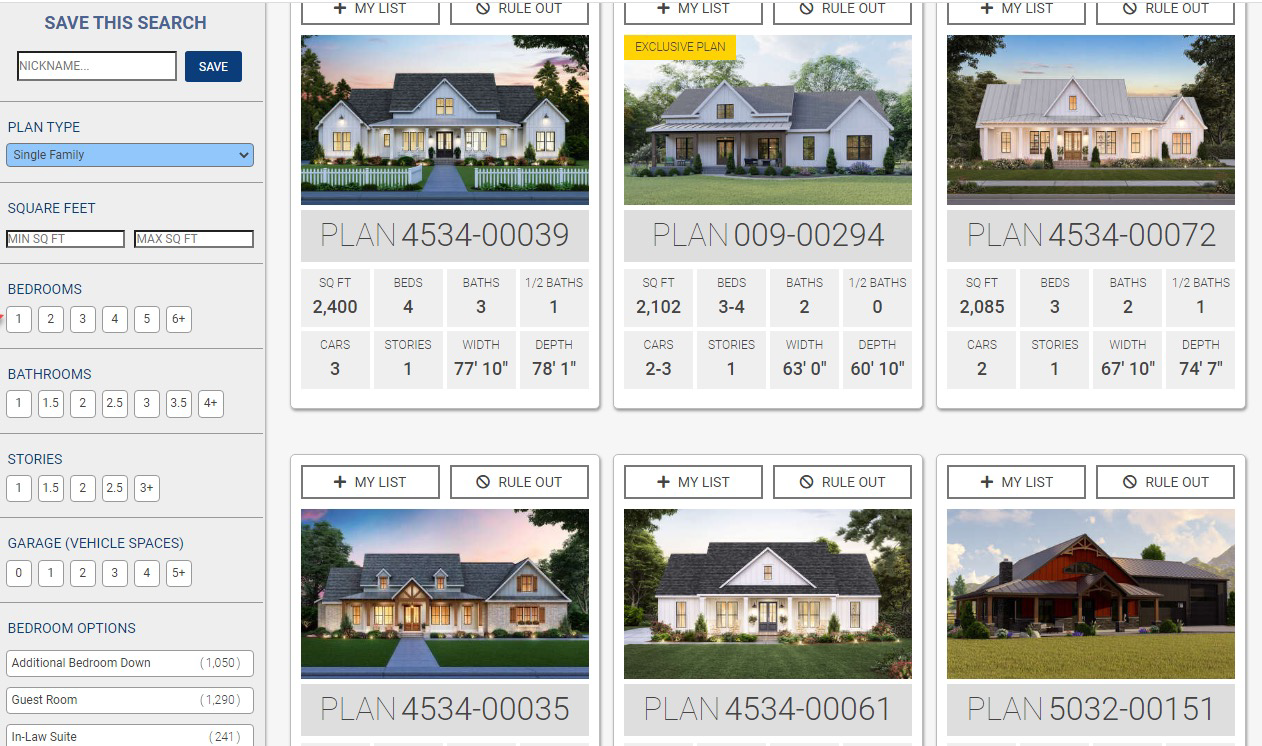
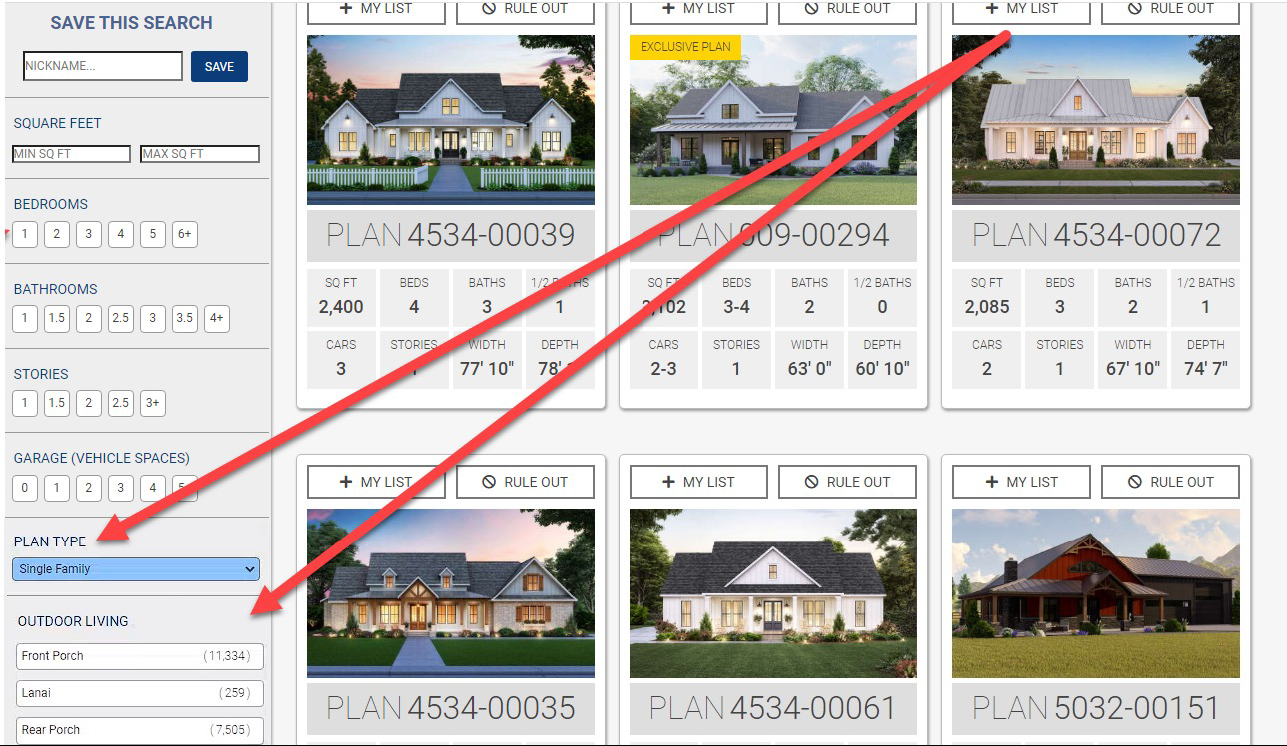
Google Analytics data on the Product Listing Pages (PLP) showed that facet usage versus placement was suboptimal, suggesting room for improvement in the filter ordering.
Hypothesis
Optimizing the facet order on PLP pages would lead to increased user engagement and higher conversion rates.
Methodology
Three test variations were created to identify the most effective facet arrangement on PLP pages.
Results
Version 2 of the test was highly successful, resulting in a 19% increase in revenue per user and a 24% increase in transaction conversion rate at a 96% confidence level. The test was very strong for mobile as well, up 35%. The client subsequently implemented Version 2, which also led to another successful iteration in a follow-up test.
Background
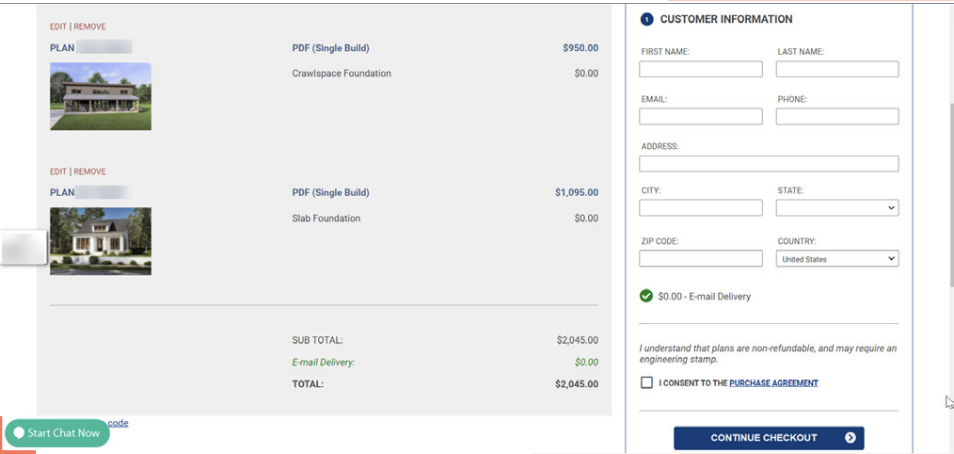
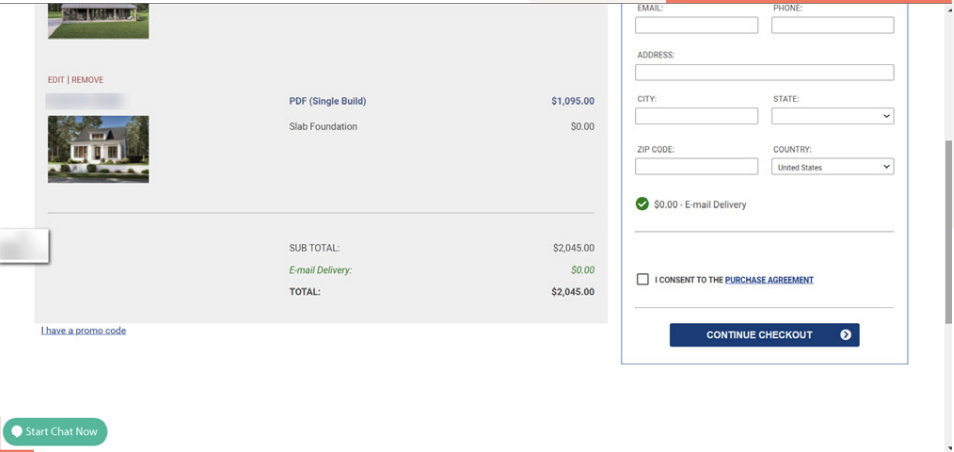
The cart page included redundant fine print that was also present in the purchase agreement, potentially causing friction for users during the checkout process.
Hypothesis
Removing redundant fine print from the cart page would reduce user friction, leading to increased conversions without a corresponding increase in customer complaints.
Methodology
The test involved the removal of the 'I understand...' fine print line from the cart page.
Results
This test won, up 7.4% for conversion at 99% confidence. It was strong for paid traffic, up 11% for revenue per user. Returning users saw a 12.5% conversion rate lift. There were no increases in customer support volume from the change.
Program Results
This was a 3-year CRO engagement, delivered as consecutive 90-day sprints. The audit identified the highest-leverage opportunities; the Iterate A/B Testing Program's sprints then ran 10 tests across navigation, product detail, search, checkout, and social proof — 9 of which won.
Based on our progress report and program tracking, we delivered a 67% measured test conversion rate lift, a 20% conservative lift, and an estimated 25.3% real-world lift, which translates to over $5 million in incremental site revenue.
We've had an excellent relationship with this client over the last 3 years, recently helped them completely redesign their site, and continue to power their A/B testing program.
This client is a great example of how even high-consideration products ($1k+) respond to A/B testing in a very similar way to high-transaction, low-AOV eCommerce sites — the same principles of friction reduction, social proof, and clear value communication apply. For a sense of scale, a "good" rate depends heavily on price point - our breakdown of how conversion rates change with order value shows how much lower rates run once the average order climbs past $1,000.
"ConversionTeam has been an outstanding partner. We're seeing over 100x ROI and the team is responsive and easy to work with. We're looking forward to taking our site and revenue to the next level with their assistance."
Frequently Asked Questions
What is an engagement-level CRO case study?
What was tested in this houseplans eCommerce CRO engagement?
Which test had the biggest impact?
How long did this CRO engagement run?
How do 90-day sprints and the 30% lift guarantee work?
Does A/B testing work for high-consideration, high-AOV products?
How does ConversionTeam decide what to test?
This program did so well because we did extensive user testing that surfaced pain points that were not obvious to those who worked on the site every day, but were glaringly obvious to new users trying to understand the product.